| Color Key |
|---|
| Find the Error |
| Preview Activity |
| Creative, Make an example |
| Exploration |
| Other |
| Recommendation Categories | |
|---|---|
| T | Recommended for turn in |
| T* | Part of the problem is recommended for turn in |
| E | Recommended as an extra (not turn in) problem |
| NR | Not recommended unless you have a particular desire for the problem |
| Appropriate Thomas section Problem description with a link to PDF of the problem. With Javascript on, a problem synopsis appears when the mouse covers this entry. When off, the synopsis appears with the section information. |
Learning Goals | Plain TEX file | LaTeX File | Links to needed pictures, diagrams, or graphs |
Problem Recommendations |
|---|---|---|---|---|---|
| §1.1, An exploration of the triangle inequality Students analyze how the triangle inequality behaves with regards to numbers of different signs, as well as a common error in solving absolute value inequalities. CLICK FOR PDF. |
|||||
| Keywords: Triangle Inequality, Absolute Values |
|||||
| §1.1, Even and Odd Functions If two functions are odd, show that their product is even and that their composition is odd. CLICK FOR PDF. |
|||||
| Keywords: Even and Odd Functions |
|||||
| §1.1, Computing with inequalities and intervals Sample work is shown for solving an inequality, needs to be corrected. Then the domain of a function is asked for. CLICK FOR PDF. |
|||||
| Keywords: Intervals, Absolute Value, Domain |
|||||
| §1.2, Roots of quadratic functions Students need to analyze when different quadratic functions have 0, 1 or 2 roots CLICK FOR PDF. |
|||||
| Keywords: Quadratic Functions, Variable Parameters |
|||||
| §1.2, Analyzing the graph of a piecewise function Students are given 4 incorrect solutions to a problem about graphing a piecewise function. They need to sketch the correct graph and then comment on why each of the other graphs are wrong. CLICK FOR PDF. |
|||||
| Keywords: Piecewise Function, Incorrect Solutions |
|||||
| §1.2, A preview of tangent lines and derivatives Take a parabola and compute the slope of secant lines, they approach the tangent line. Talk about what this means in terms of doing this process at different points on the graph. CLICK FOR PDF. |
|||||
| Keywords: Derivatives, Secant Lines, Tangent Lines |
|||||
| §1.2, Common errors in piecewise functions and shifting Sketching graphs and analyzing relations between piecewise functions in terms of shifting and scaling. Determining why certain responses are incorrect. CLICK FOR PDF. |
|||||
| Keywords: Piecewise Function, Shifting and Scaling |
|||||
| §1.5, Exponential Functions and Applications A word problem is presented about reduction of price. Solve for the time when the price would reach a certain level. CLICK FOR PDF. |
|||||
| Keywords: Exponential Decay |
|||||
| §1.6, Properties of inverse functions and their graphs Students will graph several functions and their inverses, or find that functions are not invertible. Builds up to the horizontal line test. CLICK FOR PDF. |
|||||
| Keywords: Inverse Functions, Horizontal Line Test |
|||||
| Appropriate Thomas section Problem description with a link to PDF of the problem. With Javascript on, a problem synopsis appears when the mouse covers this entry. When off, the synopsis appears with the section information. |
Learning Goals | Plain TEX file | LaTeX File | Links to needed pictures, diagrams, or graphs |
Problem Recommendations |
|---|---|---|---|---|---|
| §2.1, A limit that does not exist at 0 Walks through a proof of the fact that sin(1/x) does not have a limit as x goes to zero. CLICK FOR PDF. |
|||||
| Keywords: Limits, Does not Exist |
|||||
| §2.2, Functions with given properties Find functions that meet given properties on limits at points CLICK FOR PDF. |
|||||
| Keywords: Limits, Does not Exist, Functions |
|||||
| §2.2, Preview of Indeterminate Forms Students need to look at an indeterminate form and use cancellation to find the limit. Problem is written assuming students have not seen indeterminate forms before. CLICK FOR PDF. |
|||||
| Keywords: Indeterminate Forms, Cancellation |
|||||
| §2.2, Results of the Intermediate Value Theorem Show that a function has a zero on an interval. For a varying parameter, how does this change? CLICK FOR PDF. |
|||||
| Keywords: Intermediate Value Theorem |
|||||
| §2.2, Results of the Intermediate Value Theorem How many zeros does a function have from a table, and what does the IVT say? For a different function, how does this change? CLICK FOR PDF. |
|||||
| Keywords: Intermediate Value Theorem |
|||||
| §2.3, Using the formal limit definition Look at the function x sin(pi / x). Analyze it near zero using the formal definition CLICK FOR PDF. |
|||||
| Keywords: Oscillation, Formal Definition of Limit |
|||||
| §2.3, The logic of epsilon-delta proofs Walks through how one uses the epsilon-delta definition to prove limits. Shows a simple example and a more complicated one. CLICK FOR PDF. |
|||||
| Keywords: Epsilon-Delta Limits |
|||||
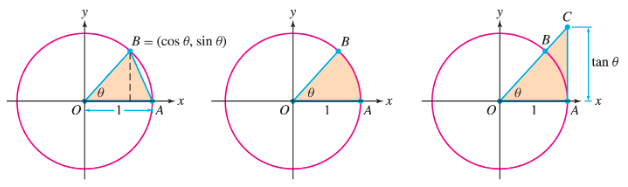
| §2.4, Proof of the Trigonometric Limits Walks through a proof using the squeeze theorem of the trigonometric limit sin x/x going to 1. CLICK FOR PDF. |
|||||
| Keywords: Trigonometric Limits, Squeeze Theorem |
|||||
| §2.4, Trigonometric Limits and the Squeeze Theorem Use the squeeze theorem to prove the trigonometric limits. Interpret in terms of tangent lines. CLICK FOR PDF. |
|||||
| Keywords: Squeeze Theorem, Tangent Lines |
|||||
| §2.5, Function with one-sided continuity Function is given that only exists on [-2,2], and students are asked about the limit at x=2 CLICK FOR PDF. |
|||||
| Keywords: Limits, One-sided, Find Error |
|||||
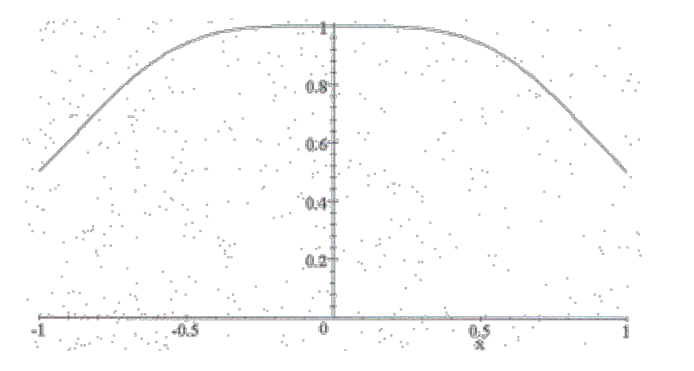
| §2.5, Determination of Continuity Students will look at the graph and definition of a piecewise function and determine where it is and is not continuous. They will also come up with a piecewise function that meets certain conditions. CLICK FOR PDF. |
|||||
| Keywords: Piecewise Functions, Continuity |
|||||
| §2.5, Fill in to make continuous Students are asked to fill in to make a function continuous. There is no guide as to how to fill in the gap CLICK FOR PDF. |
|||||
| Keywords: Continuity |
|||||
| §2.5, Continuous function with indeterminate limits A function is provided with an unknown middle section, and the limit at each endpoint is indeterminate. Use proper limit reasoning to make the function continuous. CLICK FOR PDF. |
|||||
| Keywords: Continuity, Make function continuous |
|||||
| §2.6, Limits at Infinity Compute limits at infinity for a function. Give an example of a function with certain asymptotes. CLICK FOR PDF. |
|||||
| Keywords: Horizontal Asymptotes, Limits at Infinity |
|||||
| §2.6, Asymptotes and Discontinuities Find asymptotes and discontinuities of a function. What if we look at e^f? CLICK FOR PDF. |
|||||
| Keywords: Asymptotes, Discontinuities |
|||||
| Appropriate Thomas section Problem description with a link to PDF of the problem. With Javascript on, a problem synopsis appears when the mouse covers this entry. When off, the synopsis appears with the section information. |
Learning Goals | Plain TEX file | LaTeX File | Links to needed pictures, diagrams, or graphs |
Problem Recommendations |
|---|---|---|---|---|---|
| §3.1, Identifying limits as a deriative Interpret each of the limits as a derivative, then use derivative rules to evaluate the limit. CLICK FOR PDF. |
|||||
| Keywords: Limit Def of Deriv, Derivative Rules |
|||||
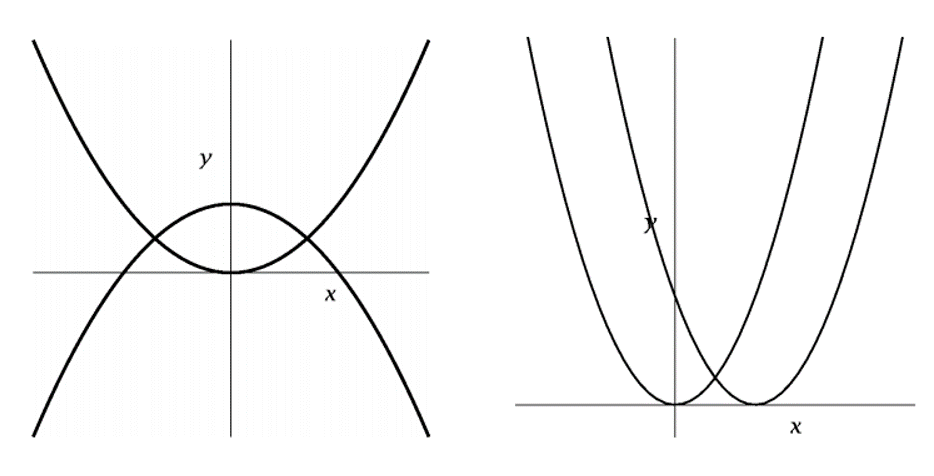
| §3.3, Orthogonal Intersection of Curves When do two curves intersect orthogonally? Determine the particular constants that make this happen. CLICK FOR PDF. |
|||||
| Keywords: Derivative as Slope, Tangent Lines |
|||||
| §3.3, Orthogonal Intersection of Curves Determine for what value of C the curves Cx^2 and 1/x^2 intersect orthogonally. CLICK FOR PDF. |
|||||
| Keywords: Derivative as Slope, Tangent Lines |
|||||
| §3.3, Verifying the product and quotient rules Verifies the product and quotient rules for different power functions CLICK FOR PDF. |
|||||
| Keywords: Product, Quotient, Power Functions |
|||||
| §3.3, Errors in finding horizontal tangents Students need to find the points where a graph has a horizontal tangent lines, and then interpret errors in other solutions. CLICK FOR PDF. |
|||||
| Keywords: Product Rules, Find the Error |
|||||
| §3.3, Product and Quotient Rules from tables Given a table of values of functions and derivatives, find the value and derivative of more complicated functions. CLICK FOR PDF. |
|||||
| Keywords: Product and quotient rules, table of values |
|||||
| §3.5, General formula for higher derivatives Students need to determine general formulas for higher derivatives of specific functions CLICK FOR PDF. |
|||||
| Keywords: Higher derivatives, Induction |
|||||
| §3.6, Errors in computing derivatives Compute a derivative using the Chain Rule. Describe errors in other solutions. CLICK FOR PDF. |
|||||
| Keywords: Chain Rule, Find the Error |
|||||
| §3.6, Derivative Mistakes and Counterexamples For a bunch of formulas where derivatives are computed incorrectly, find a counterexample and correct the statement. CLICK FOR PDF. |
|||||
| Keywords: Product Rule, Chain Rule, Counterexamples to common derivative mistakes |
|||||
| §3.6, Mistakes in the Chain Rule Grade four incorrect student solutions for finding a chain rule derivative. CLICK FOR PDF. |
|||||
| Keywords: Chain Rule, Find the Error |
|||||
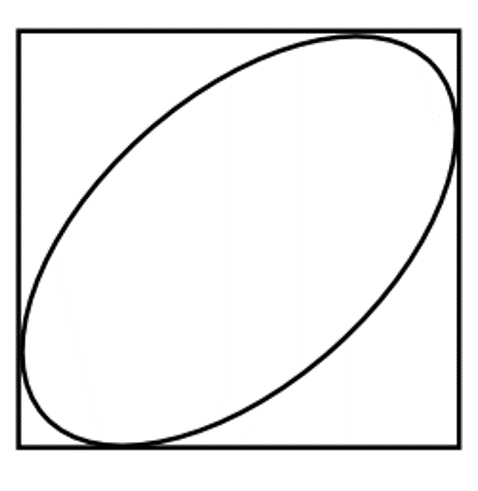
| §3.7, Bounding Box of an Ellipse Given an equation for an ellipse, find the location and lengths of the sides of the bounding box, using horizontal and vertical tangency. CLICK FOR PDF. |
|||||
| Keywords: Implicit Differentiation, Tangent Lines |
|||||
| §3.7, Tangent Lines to Conic Sections Given a generic conic section, when do they have a horizontal tangent line? When is is possible to never have a horizontal tangent line? CLICK FOR PDF. |
|||||
| Keywords: Implicit Differentiation, Conic Sections |
|||||
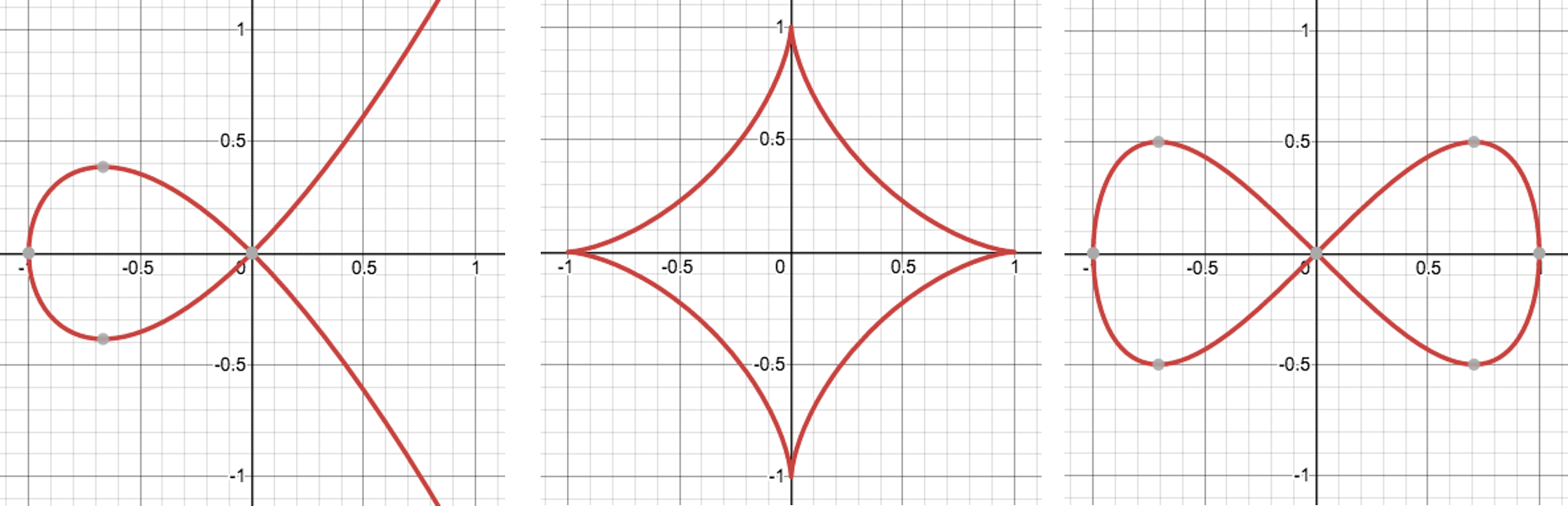
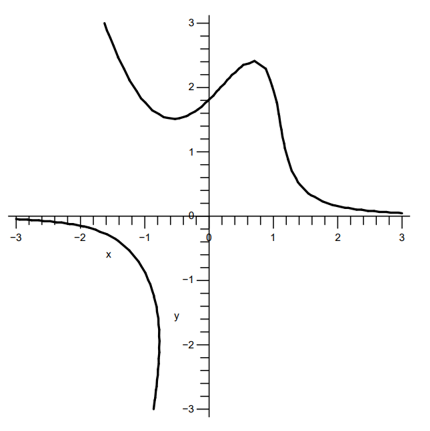
| §3.7, Graphs of Implicit Functions Use implicit differentiation to analyze properties of three graphs. CLICK FOR PDF. |
|||||
| Keywords: Implicit Differentiation, Graphs of Functions |
|||||
| §3.8, Derivatives of an Inverse Functions Find the derivative to the inverse function given the initial function. CLICK FOR PDF. |
|||||
| Keywords: Implicit differentiation, Inverse Functions |
|||||
| §3.8, Proving Things with Logs Use logarithmic differentiation to prove the power rule, product rule, and quotient rule CLICK FOR PDF. |
|||||
| Keywords: Log Differentiation |
|||||
| §3.8, Logarithmic Differentiation Come up with functions that have certain properties for logarithmic differentiation. CLICK FOR PDF. |
|||||
| Keywords: Logarithmic Differentiation |
|||||
| §3.8, Issues with logarithmic differentiation Two sample solutions are provided to a problem that requires log differentation, and the samples do not use this. Need to analyze what happens CLICK FOR PDF. |
|||||
| Keywords: Logarithmic Differentiation |
|||||
| §3.10, The Ideal Gas Law Students are given the ideal gas law, and then two different circumstances where things are changing to analyze. CLICK FOR PDF. |
|||||
| Keywords: Ideal Gas Law, Related Rates |
|||||
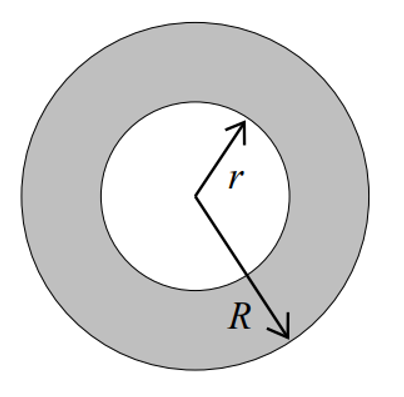
| §3.10, Area between two circles Given a pair of concentric circles where the radii are changing, how is the area between them changing? CLICK FOR PDF. |
|||||
| Keywords: Related Rates, Circles, Area |
|||||
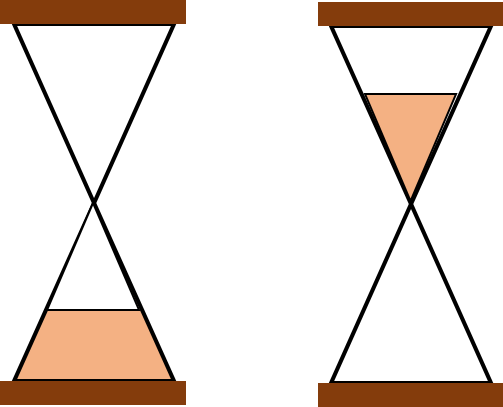
| §3.10, Sand in an hourglass Sand is flowing through an hourglass. How fast is the height of the bottom changing when we know about the height in the top cone. CLICK FOR PDF. |
|||||
| Keywords: Related Rates, Cones |
|||||
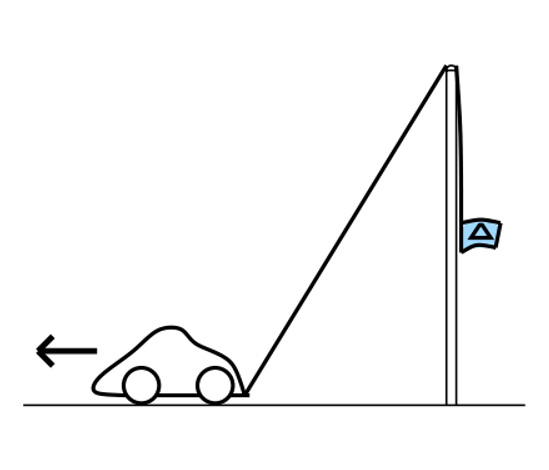
| §3.10, Rate of raising a flag A car is pulling a rope that is pulling a flag up a pole. How fast is the flag moving up at a particular height? CLICK FOR PDF. |
|||||
| Keywords: Related rates, Pythagorean Theorem |
|||||
| §3.10, Sliding Ladder Problem Find the error in the sliding ladder problem. Plugging in numbers too soon. CLICK FOR PDF. |
|||||
| Keywords: Related Rates, Common Mistakes |
|||||
| §3.11, Error in Linear Approximation Use linear approximation to approximate two values. How does the second derivative explain if this is large or small? CLICK FOR PDF. |
|||||
| Keywords: Linear Approximation, Second Derivative |
|||||
| §3.11, Nearby Points on a Graph Given an implicitly defined function and a point on the graph, estimate the coordinates of nearby points using linear approximation. CLICK FOR PDF. |
|||||
| Keywords: Linear Approximation, Estimation |
|||||
| §3.11, Incremental Changes in BSA Formula Given the BSA formula, determine how things change when mass or height increases by 1. CLICK FOR PDF. |
|||||
| Keywords: Linear Approximation |
|||||
| §3.11, Error Bounds and staying within Bounds What is the propagated error in making a measurement? If I want to keep the propagated error within a certain bound, how accurate does my measurement need to be? CLICK FOR PDF. |
|||||
| Keywords: Error Propagation |
|||||
| §3.*, Range and Inverse of Hyperbolic Tangent Use the definition of the hyperbolic tangent to establish properties of it. CLICK FOR PDF. |
|||||
| Keywords: Hyperbolic Functions, Inverse Functions |
|||||
| §3.*, Hyperbolic Identities Establish the standard hyperbolic identities from the definition of sinh and cosh. Build up to inverse functions. CLICK FOR PDF. |
|||||
| Keywords: Hyperbolic Functions, Inverse Functions |
|||||
| Appropriate Thomas section Problem description with a link to PDF of the problem. With Javascript on, a problem synopsis appears when the mouse covers this entry. When off, the synopsis appears with the section information. |
Learning Goals | Plain TEX file | LaTeX File | Links to needed pictures, diagrams, or graphs |
Problem Recommendations |
|---|---|---|---|---|---|
| §4.1, Minima and Maxima of Cubic Functions Determine for which values of a parameter a cubic equation has a local min or max. Restate in terms of tangent lines. CLICK FOR PDF. |
|||||
| Keywords: Extreme Values, Horizontal Tangents |
|||||
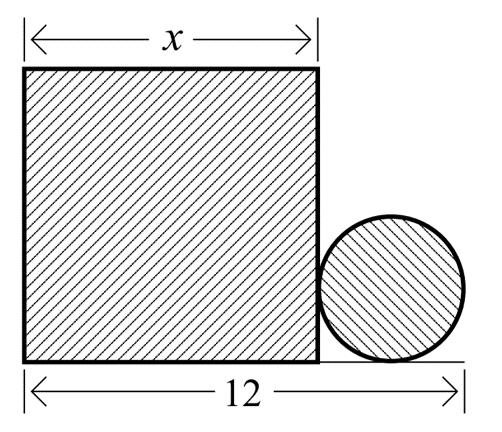
| §4.1, Optimal Cost of Painting Shapes Given a circle and square whose dimensions add up to 12, figure out the optimal size to minimize the cost of painting them. CLICK FOR PDF. |
|||||
| Keywords: Extreme Values, Optimization |
|||||
| §4.1, Derivatives of a product function Students are asked for max and min of x^1(1-x)^b for various values of a and b. CLICK FOR PDF. |
|||||
| Keywords: Product Rule, Factoring, Max Values |
|||||
| §4.2, Assumptions of the Mean Value Theorem The assumptions of the mean value theorem are important. Find examples of functions that do not meet the hypotheses, and thus do not satisfy the conclusion. CLICK FOR PDF. |
|||||
| Keywords: Mean Value Theorem |
|||||
| §4.2, Proof of MVT from Rolle's The problem walks through a proof of the MVT using Rolle's theorem. CLICK FOR PDF. |
|||||
| Keywords: Rolle's Theorem, Mean Value Theorem |
|||||
| §4.2, Application of Mean Value Theorem and IVT Given a function and two known values, consider g = f(f(x)) and show some properties of it. CLICK FOR PDF. |
|||||
| Keywords: Intermediate Value Theorem, Mean Value Theorem |
|||||
| §4.2, Application of the MVT Use the MVT to show that a function needs to be constant. CLICK FOR PDF. |
|||||
| Keywords: Mean Value Theorem |
|||||
| §4.2, A function that is strictly increasing Show that a polynomial is strictly increasing by looking for critical points of the derivative CLICK FOR PDF. |
|||||
| Keywords: Max Value, Rolle's Theorem, Higher Derivatives |
|||||
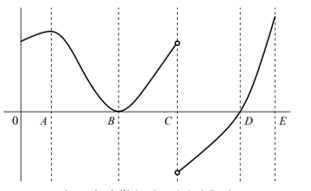
| §4.3, Sketching f from the derivative Given a graph of the derivative, figure out what the function f should look like CLICK FOR PDF. |
|||||
| Keywords: Sketching from the Derivative, Interpretation of Derivative |
|||||
| §4.4, Concavity from Implicit Differentiation Given an implicitly defined function, find the concavity. CLICK FOR PDF. |
|||||
| Keywords: Concavity, Implicit Differentiation |
|||||
| §4.4, Sketch a graph of a rational function Given a function, sketch its graph. Look at asymptotes, intervals of increase and decrease, concavity, roots, etc. CLICK FOR PDF. |
|||||
| Keywords: Graph Sketching, Interpretation |
|||||
| §4.4, Graph sketching with exponentials Sketch the graphs of two functions involving exponentials CLICK FOR PDF. |
|||||
| Keywords: Graph sketching, Asymptotes |
|||||
| §4.5, Indeterminate forms and limits Many functions are provided with a point where they are indeterminate. Graphically or numerically determine the limits to see that they can be different. CLICK FOR PDF. |
|||||
| Keywords: Indeterminate Forms, Limits |
|||||
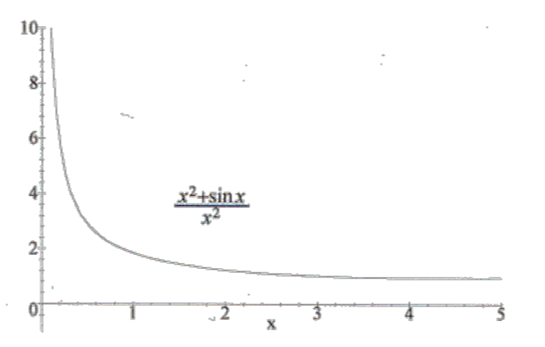
| §4.5, Errors in limits and indeterminate forms Students will see several incorrect computations of limits and need to justify why they are wrong. It also contains a proof of the fact that x sin(1/x) goes to zero at zero. CLICK FOR PDF. |
|||||
| Keywords: Indeterminate Forms, Limit Laws |
|||||
| §4.5, Error in L'Hopital's Problems Find the error in the computation of a limit using L'Hopital's Rule. Limits not existing. CLICK FOR PDF. |
|||||
| Keywords: L'Hopital's, Common Mistakes |
|||||
| §4.5, Limits of the form Infinity - Infinity Compute 3 limits of the form infinity minus infinity. CLICK FOR PDF. |
|||||
| Keywords: L'Hopital, Indeterminate Forms |
|||||
| §4.5, L'Hopitals Rule or Special Limits Solve a problem two different ways, once with L'Hop and once with special limits CLICK FOR PDF. |
|||||
| Keywords: L'Hopital, Trig Limits |
|||||
| §4.5, Analysis of indeterminate forms Provide examples of indeterminate forms that evaluate to different values. Find error in reasoning CLICK FOR PDF. |
|||||
| Keywords: Indeterminate Forms, Find Error |
|||||
| §4.6, Farmer Brown and his Pen Find the error in an optimization problem - Forgetting to consider the interval. CLICK FOR PDF. |
|||||
| Keywords: Applied Optimization, Common Mistakes |
|||||
| §4.6, Cost Optimization Given a geometric set up, what is the cheapest way to lay a power cable across a river? CLICK FOR PDF. |
|||||
| Keywords: Applied Optimization |
|||||
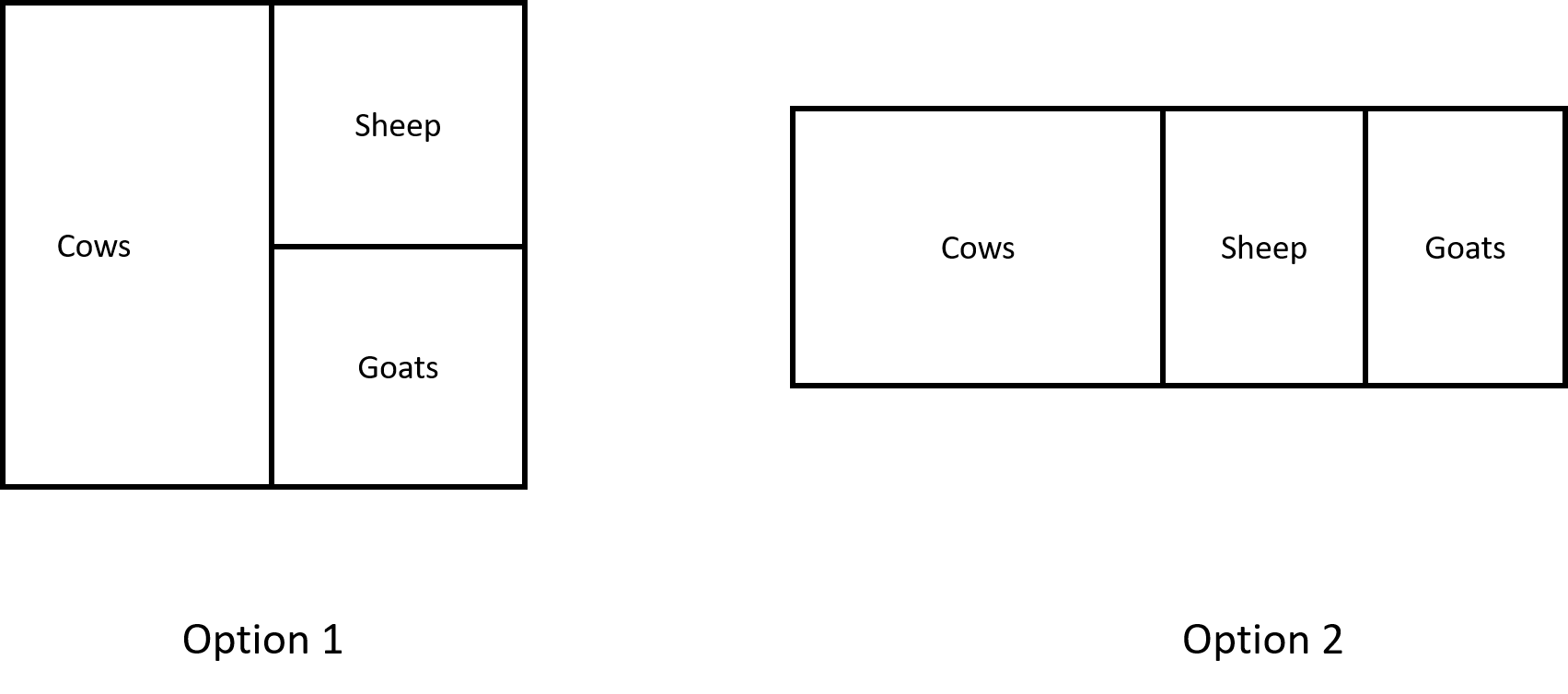
| §4.6, Two different farm setups Two different possible arrangement for animal pens are given. Which has a larger maximum area? CLICK FOR PDF. |
|||||
| Keywords: Applied Optimization, Multiple Options, Rectangles |
|||||
| §4.6, Error in optimization problem A solution is provided to an optimization problem that does not check that the solution is a maximum. Analyze what went wrong. CLICK FOR PDF. |
|||||
| Keywords: Optimization, Find the Error |
|||||
| Appropriate Thomas section Problem description with a link to PDF of the problem. With Javascript on, a problem synopsis appears when the mouse covers this entry. When off, the synopsis appears with the section information. |
Learning Goals | Plain TEX file | LaTeX File | Links to needed pictures, diagrams, or graphs |
Problem Recommendations |
|---|---|---|---|---|---|
| §5.1, Sums of Rectangles and Area Explore the details of using sums of rectangles to compute area. Verify that using left and right endpoints is the same. CLICK FOR PDF. |
|||||
| Keywords: Approximating Area, Summation Notation |
|||||
| §5.1, Integral does not depend on the value at a point Work through right-hand sums for a function with a changing value at a single point. Work through how the limit does not depend on this value. CLICK FOR PDF. |
|||||
| Keywords: Riemann Sums, Right endpoint limits |
|||||
| §5.1, Integration Problems from Graph Write your own integration problems involving a given graph of a function f. Includes both circles and triangles CLICK FOR PDF. |
|||||
| Keywords: Areas, Integrals, Geometric Areas |
|||||
| §5.2, Riemann Sum for x2 Use the right-endpoint sum and the sum formula to show what the integral of x2 is. CLICK FOR PDF. |
|||||
| Keywords: Riemann Sums, Integrals |
|||||
| §5.2, Area under a curve with variable endpoint Compute the integral of x^2 on the interval [0,b] using summation notation. CLICK FOR PDF. |
|||||
| Keywords: Areas, Summation notation, Riemann Sums |
|||||
| §5.3, Area under graphs of triangles Compute three integrals of absolute value functions by looking at areas of triangles. CLICK FOR PDF. |
|||||
| Keywords: Areas, Integrals, Triangles |
|||||
| §5.3, Integrals with geometry Interpret the integral of x as a geometric object. Use integral properties to simplify and get a general formula. CLICK FOR PDF. |
|||||
| Keywords: Integrals, Areas under curves |
|||||
| §5.3, Area under a parabola Use integral properties to get a general formula for the area under x2 from a base assumption CLICK FOR PDF. |
|||||
| Keywords: Integrals, Areas under curves |
|||||
| §5.4, Derivatives and Antiderivatives Look at finding the antiderivative of xe^x by first computing a derivative. CLICK FOR PDF. |
|||||
| Keywords: Antiderivatives, Product Rule |
|||||
| §5.4, Derivatives and Antiderivatives Look at finding the antiderivative of xe^x by first computing a derivative. Do the same for ln(x) CLICK FOR PDF. |
|||||
| Keywords: Antiderivatives, Product Rule |
|||||
| §5.4, Fundamental Theorem of Calculus on a Graph Use the graph of a function, where F is defined as the integral of this function, to explore the FTC. CLICK FOR PDF. |
|||||
| Keywords: FTC, Graphs, Interpretation of Derivative and Integral |
|||||
| §5.4, Exploring the Fundamental Theorem of Calculus Given a function, compute the integral and then the derivative. See that they match. CLICK FOR PDF. |
|||||
| Keywords: FTC, Antiderivatives |
|||||
| §5.4, Using the FTCs Students work through an application of both FTC1 and FTC2 to solve the same problem. CLICK FOR PDF. |
|||||
| Keywords: FTC |
|||||
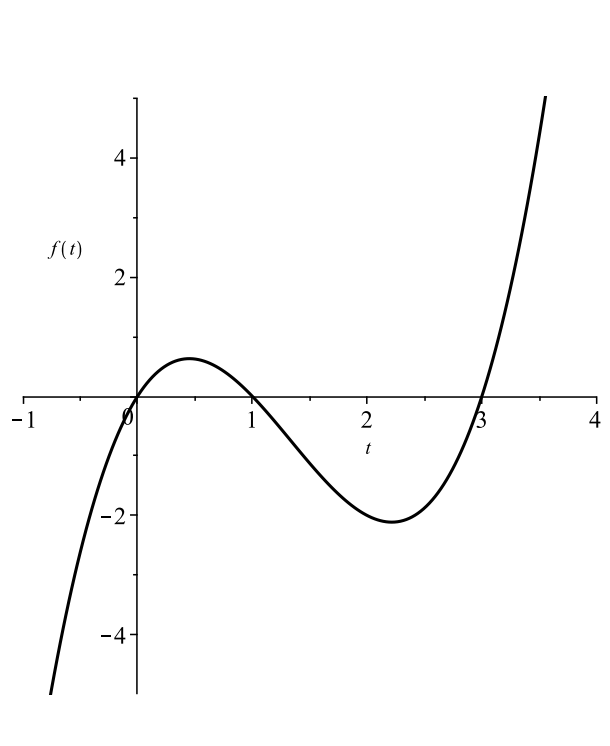
| §5.4, Analyzing the antiderivative function Questions are asked about the function given as an antiderivative of a graph, critical points, increasing, decreasing. CLICK FOR PDF. |
|||||
| Keywords: Antiderivative, Integral as area, Integration rules |
|||||
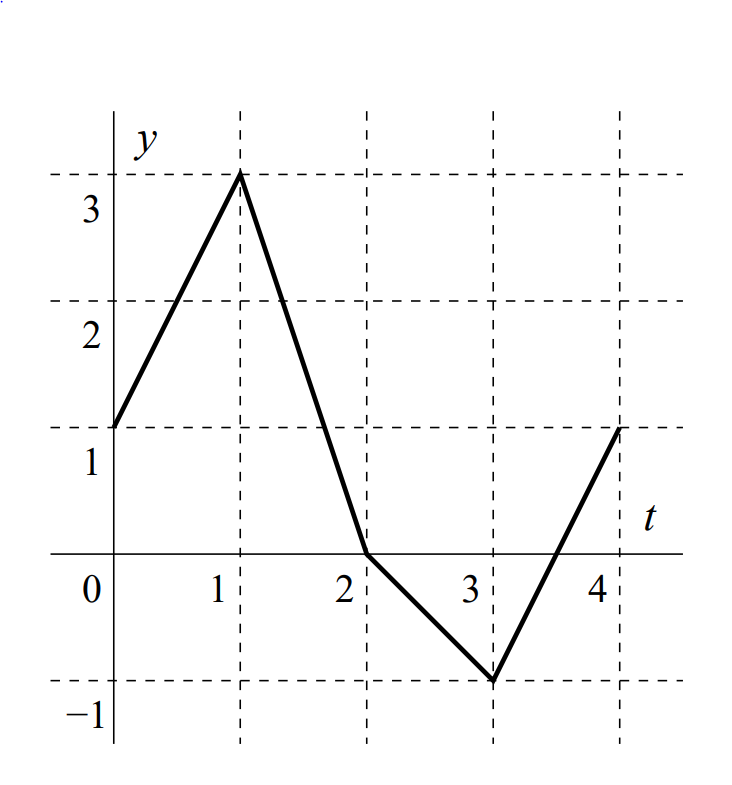
| §5.4, Velocity and Motion Given a particle's velocity, analyze how it is moving, in which direction, and total displacement. CLICK FOR PDF. |
|||||
| Keywords: Velocity, Application of Integral |
|||||
| §5.5, Chain Rule and Substitution Compute chain rule derivatives, then use this information to compute antiderivatives. CLICK FOR PDF. |
|||||
| Keywords: Chain Rule, Substitution |
|||||
| §5.5, Error in Substitution A potential solution is shown for solving an integral by substitution, but there is an error. Find it and explain what went wrong. CLICK FOR PDF. |
|||||
| Keywords: Substitution, Assumptions, Find the Error |
|||||
| §5.5, Manipulation and Substitution The integral of sin^3 is analyzed. An initial substitution does not work, but manipulation leads to one that does. CLICK FOR PDF. |
|||||
| Keywords: Substitution, Trigonometric Identities, |
|||||
| §5.5, Analysis of a substitution problem Various 'u' functions are provided for a substitution problem. Analysis of what goes wrong and how to pick the correct u. CLICK FOR PDF. |
|||||
| Keywords: Substitution, Inverse Trig |
|||||
| §5.5, Working with u-substitution Three integrals are given with the same denominator, all that require different u-substiutions to solve CLICK FOR PDF. |
|||||
| Keywords: Substitution Method |
|||||
| §5.6, Errors in Computing Area Four possible answers for the area between two curves are given. What went wrong on the incorrect answers? CLICK FOR PDF. |
|||||
| Keywords: Area between Curves, Find the Error |
|||||
| §5.6, Area between three lines Set up the area of a region between three lines two different ways, then evaluate one CLICK FOR PDF. |
|||||
| Keywords: Area between Curves |
|||||
| §5.6, Area between curves Set up the area of a region between two curves in two different ways, then evaluate one CLICK FOR PDF. |
|||||
| Keywords: Area between Curves |
|||||